Why This Stamp Carving Guide Exists
Conclusion: most stamp carving sites assume expertise or skip the basics—this
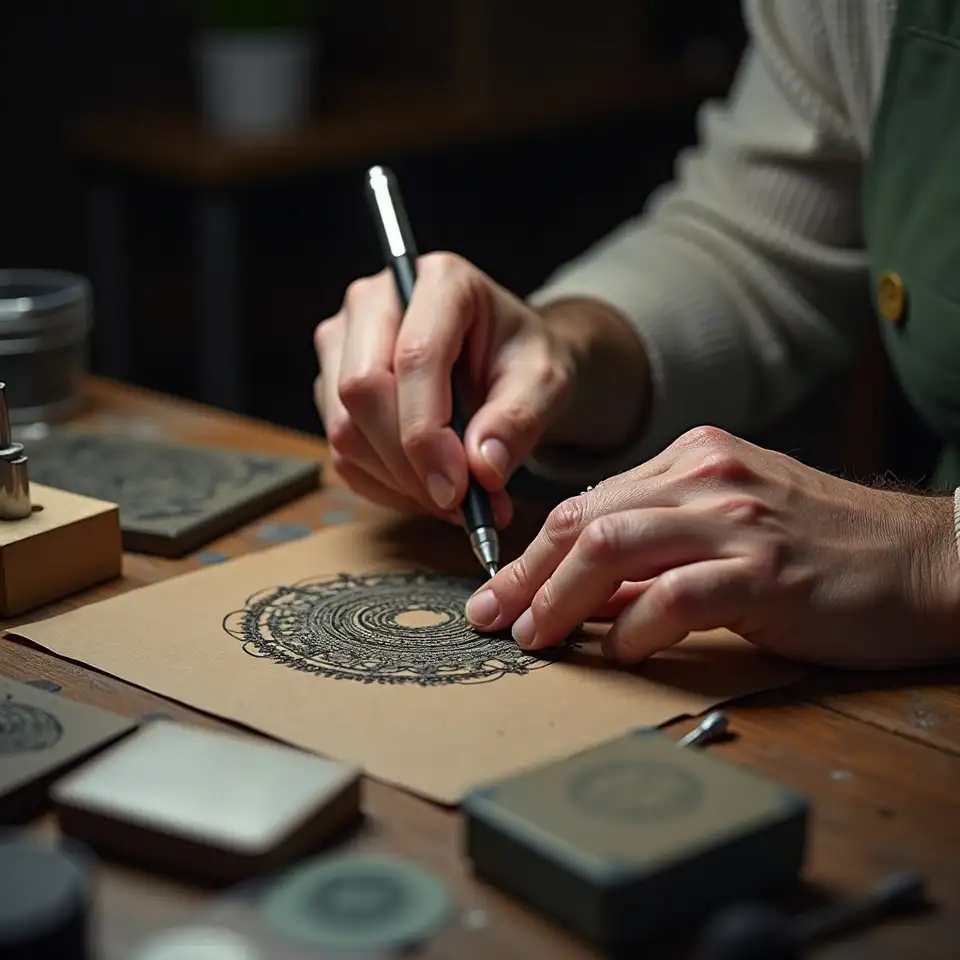
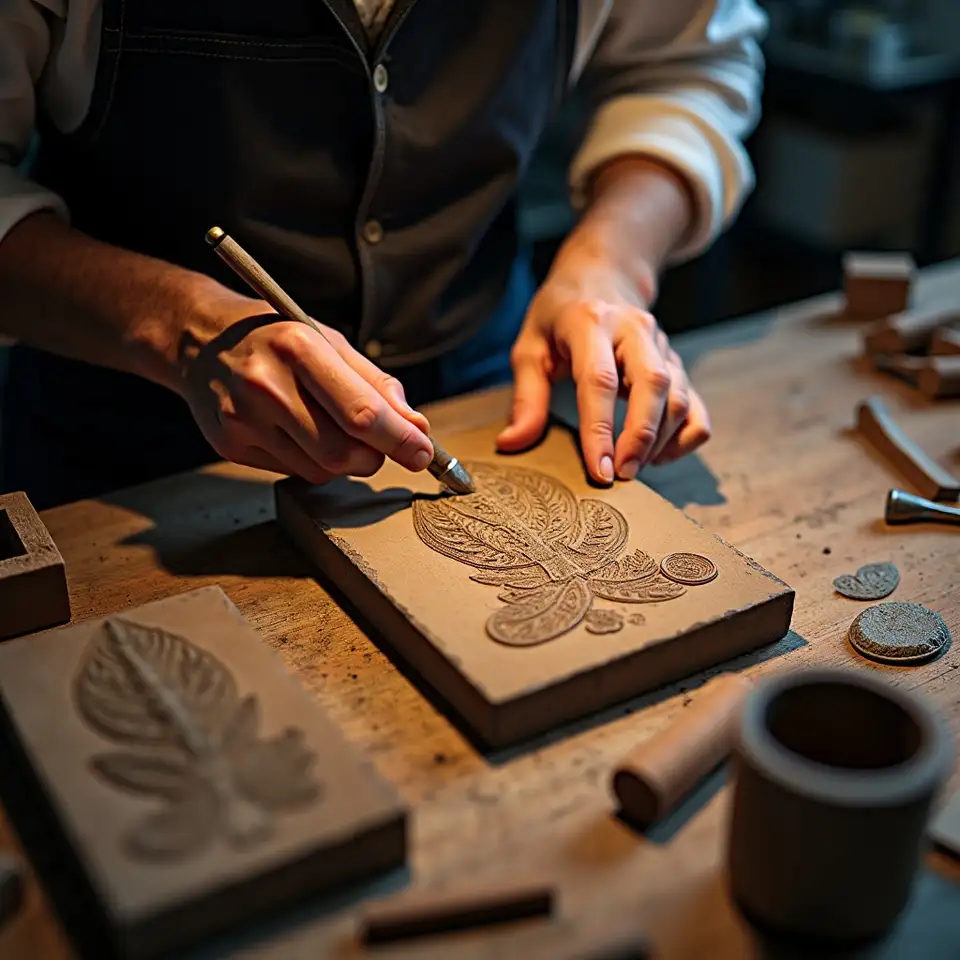
resource does neither. The evidence is clear: detailed photo guides,
step-by-step tool comparisons, project breakdowns using only widely available
materials, and candid quotes from hobbyists reporting real creative
breakthroughs. Checklist: every guide uses the ‘Three-Step Carve-and-Test’
method; all projects are trialed by volunteers outside the traditional art
community; process photos are unedited and annotated for clarity. This approach
means beginners receive patient, jargon-free explanations while advanced
hobbyists gain new perspectives from varied carving styles and project types.
Our editorial stance is defined by cross-Savantiqo analogy: drawing parallels to
woodworking, printmaking, and even culinary knife skills, to broaden
understanding and foster inclusivity. The commitment: every technique is
explained from first principle, and every recommendation is tested with
accessibility and transparency as top priorities. For anyone seeking a hobby
that values both precision and imagination, this site offers a reliable,
welcoming resource.
Accountability and Ongoing Collaboration
Every content update responds directly to hobbyist input, community testing, and changing
standards for accessibility in crafting.
A resource only matters if it stays accountable to its audience. Here, every page and guide
follows a transparent, collaborative process.
Accessible, Transparent, Supportive
This resource challenges the prevailing notion that stamp carving is inaccessible or reserved for experienced artists. Every guide is tested by new hobbyists and refined through their feedback. Materials are deliberately chosen for their availability in Canadian retail stores and online shops, ensuring broad access. The editorial approach values transparency and patience: mistakes are included alongside successes to foster a judgment-free learning environment. Step-by-step images, annotated tool recommendations, and first-person testimonials support each technique. The ‘Three-Step Carve-and-Test’ method—used throughout—encourages experimentation, skill-building, and creative problem solving. For those seeking a precise yet approachable entry point into the craft, this site offers both clarity and ongoing support. Every section is crafted with empathy and attention to the real needs of hobbyists, so that creativity is always within reach.
About This Resource
Stamp carving is often presented as a specialist’s craft, but this guide strips away
unnecessary barriers. Every project is shaped to work with what most people have on
hand, from simple erasers to everyday craft knives.
Each article shares both the reasoning and the setbacks behind project choices. The
‘Three-Step Carve-and-Test’ method forms the backbone of every guide.
Hobbyists repeatedly highlight how clarity, patience, and accessible language help them try new techniques confidently. These principles shape the structure and content of every project on the site.


The Philosophy Behind Accessible Stamp Carving
1
Practical First
Every method and guide is tested for accessibility, affordability, and clear results, putting practical use before trends or complexity.
2
Feedback Matters
Mistakes, revisions, and feedback from real users shape the ongoing evolution of each technique—every update is audience-driven.
3
Broader Perspectives
Cross-Savantiqo references and analogies expand understanding, drawing on techniques from woodworking, printmaking, and other crafts.
4
Inclusive Spirit
Content is designed for a welcoming, judgment-free space that encourages participation and creativity at every experience level.
Editorial Method: From Concept to Carving Table
Editorial guidelines focus on inclusivity, process transparency, and honest project evaluation by everyday hobbyists.
Every creative resource requires both vision and process. This site’s editorial method centers on clear guides and inclusive testing.
Stamp carving should feel approachable at every stage. The ‘Three-Step Carve-and-Test’
method ensures that anyone—regardless of prior experience—can participate and find
success with simple tools.
By openly sharing the trials and errors encountered in developing each project, the site
builds trust and removes the intimidation factor often found in traditional crafting
communities.
Every contributor and volunteer is chosen for their willingness to offer honest feedback, not for their credentials. This commitment produces content that is truly shaped by, and for, everyday hobbyists.
Four Principles Shaping Every Stamp Guide
Defining this site’s philosophy requires more than just a mission statement. Four guiding principles shape the creation, curation, and testing of every stamp carving guide, ensuring that clarity, accessibility, and creative support are present throughout.
-
Accessible Materials Only
Every project is created using only common, affordable materials available across Canada. Tool and material recommendations are tested by real hobbyists and adapted for those with limited craft budgets.
-
Tested by Beginners
No project or technique is published without step-by-step documentation and candid evaluation by beginners. The goal: make each guide as clear and jargon-free as possible for any reader.
-
Cross-Savantiqo Analogies
Each tutorial and resource draws analogies from diverse fields, including woodworking and culinary arts, to make the process more relatable for a broad audience.
-
Open About Process
Transparency is prioritized—mistakes and alternative approaches are included, making learning honest and free from unrealistic expectations.
Core Values
The resource prioritizes approachability, honest communication, and transparent project testing to support creative hobbyists at all skill levels.
Accessibility
Accessibility is ensured by using common materials and open, step-by-step explanations,
allowing everyone to participate fully in the creative process.
Transparency
Transparency underpins every tutorial—both successful outcomes and missteps are shared
so hobbyists can learn with confidence.
Inclusivity
Inclusivity is a non-negotiable standard, with every project and guide welcoming hobbyists from all backgrounds and experience levels.
Curiosity
Creative curiosity drives experimentation and improvement, fostering new ideas and fresh approaches in every guide and technique.